ETF Market Adjustment and Tax Benefit Considerations

With the bullish trends in domestic and international stock markets this year, there is a growing necessity to adjust the nominal value of Exchange Traded Funds (ETFs). High-priced ETFs may restrict access for small investors, while there are concerns that inverse ETFs might become penny stocks, leading to optical illusions and speculation. Unlike the United States, where such adjustments efficiently manage price ranges, South Korea's current legal framework does not permit ETF split and merge actions. In response, lawmaker Kim Hyun-jung is promoting legal reforms to allow face value adjustments for ETFs and ETNs.
Additionally, foreign exchange authorities are considering tax benefits for currency-hedged overseas ETFs, potentially encouraging increased foreign investment. At present, dividends and capital gains on these ETFs face a tax rate of 15.4%, escalating up to 49.5% if financial income exceeds a certain threshold. Authorities are also evaluating the possibility of permitting netting of gains and losses to streamline tax burdens.
Related News

Considering Tax Benefits for 'Currency Hedge ETFs' as Forex DefenseConsidering Tax Benefits for Currency Hedge ETFs as a Forex Defense, with some concerns over encouraging overseas investments while drawing a line at strengthening overseas stock transfer tax.
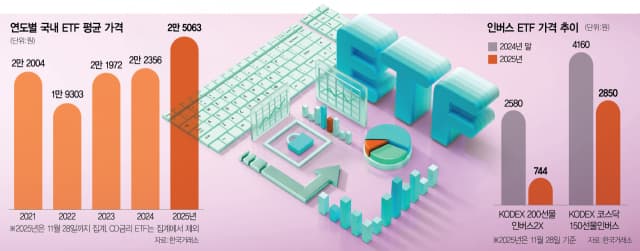
ETF Hits 160,000 Won Per Share... 'Need for Allowing Par Value Adjustment' - Seoul Economic DailySecurities > Domestic Market News: As both domestic and international stock markets have strengthened this year, the price per share of exchange-traded funds (ETFs) has risen sharply, prompting calls for 'par value adjustment (stock split & merge)' in ETFs...