Oil ETF Trading Surges Amid Middle East Tensions, Regulatory Warnings Issued

According to the Financial Supervisory Service, geopolitical tensions in the Middle East have led to a surge in oil ETF trading. The average daily trading volume of oil ETFs from the 1st to the 10th of the month reached 167.6 billion KRW, marking a 6-8 fold increase from the previous month. Concerns have been raised about individual investors lacking adequate understanding of high-risk products, leading to heightened risk of losses.
The Financial Supervisory Service has emphasized the structural risks and the potential for deviation in inverse and leveraged products due to the increased market volatility from recent Middle Eastern conflicts. Notably, a deviation exceeding 1% for domestic ETFs and 2% for overseas ETFs would require disclosure, while significant deviations might occur in leveraged ETFs.
Additionally, discussions with market experts are ongoing to address market volatility in commodities and formulate response strategies. Vice Governor Hwang Seon-oh has expressed concerns about the far-reaching impacts on financial markets and the real economy if oil supply disruptions persist. A prolonged closure of the Hormuz Strait poses a substantial threat across global financial markets.
In the ETF market, products like the TIGER Oil Futures Enhanced(H) and KODEX WTI Oil Futures(H) ETFs have gained strength amidst international oil price volatility. Conversely, the KODEX WTI Oil Futures Inverse(H) ETF, betting on a decline in oil prices, has shown a downward trend, warranting caution among investors. Despite the IEA's release of strategic petroleum reserves, ongoing instability in the Middle East continues to amplify market volatility.
Related ETF
Related News

Oil prices fluctuate... Crude oil ETF trading surges; 'Investment caution' - Dong-a IlboSeung-jun Lee, 38, an office worker, invested his extra money in an exchange-traded fund (ETF) tracking the West Texas Intermediate (WTI) futures index, anticipating that the Middle East situation would be prolonged. However, on the 9th (local time), after U.S. President Donald Trump said that 'the war is almost over,' oil prices fell by more than 10% in a single day...
 뉴스핌2026 3月 12
FSS warns of 'ETF/ETN Discrepancy' amid Surge in Oil Prices - NewsPim[Seoul=NewsPim] Reporter Yoon Chae-young - As geopolitical risks in the Middle East intensify, the volatility in commodity markets such as oil is increasing, leading to a surge in trading of related Exchange Traded Products (ETPs). Financial authorities warn about the structural risks inherent in leveraged and inverse products and the potential for discrepancy expansion in investments.
뉴스핌2026 3月 12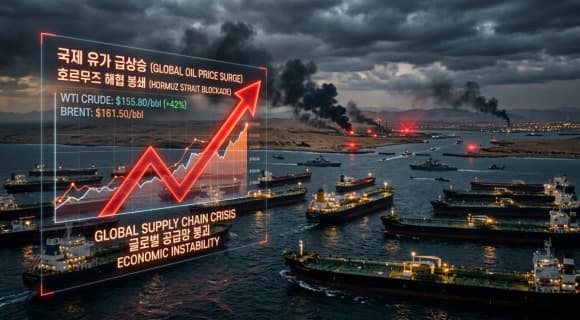
[ETF Market] 'Oil ETF' Soars 11% on Rising Oil Prices… Solar and ESS Also Strong - NewsPim[Seoul=NewsPim] Reporter Na-Young Lee = On the 12th, due to the spread of geopolitical risks in the Middle East, the volatility of international oil prices expanded, boosting oil-related ETFs. As concerns about energy supply instability grew due to rising oil prices, funds flowed into alternative energy-related ETFs such as solar power.
Related ETF
Beware of Oil Price Fluctuations…Financial Supervisory Service Issues 'Caution' on Commodity ETF/ETN Investment - Prime Economy[Prime Economy] As the volatility of the commodity market, including crude oil, has increased due to the situation in the Middle East, the Financial Supervisory Service has urged caution in investing in commodity ETFs/ETNs. On the 12th, the Financial Supervisory Service held a meeting of commodity market experts presided over by Deputy Governor Hwang Sun-oh to discuss the current status of market volatility and response strategies. Recently, due to the Middle East situation, prices of physical assets such as crude oil and natural gas have...
FSS Advises Caution on Commodity ETF/ETN Investments Amid Oil Price VolatilityFSS Advises Caution on Commodity ETF/ETN Investments Amid Oil Price Volatility, by No Jeong-dong, Securities