Increase in Inflows to South Korean Gold ETFs and Impact of Supreme Court Ruling on Korean Stock Market

Last month, the net inflow into South Korea's gold exchange-traded fund (ETF) reached about $544.2 million, ranking sixth globally. This increase in inflows reflects a positive trend in the gold market, enhanced by the resumption of gold bar sales by major banks. The recent spike in gold prices from $4,300 to $5,400 per ounce highlighted the scarcity of gold and significantly increased investor interest in ETFs.
Meanwhile, the U.S. Supreme Court's ruling against the legality of former President Trump's reciprocal tariff policy has positively impacted various industries, revitalizing the South Korean stock market. In particular, semiconductor and automobile export stocks showed remarkable gains, while the safety asset preference amid policy uncertainty led to a rise in gold and silver-related ETFs. As a result, the KOSPI reached an all-time high, driven by large-cap semiconductor stocks and automobile-related stocks. The stocks in consumer goods and home appliances sectors also saw increased buying interest, further invigorating the overall South Korean stock market.
Related News
 조선일보19 hours ago
South Korea leads major countries in gold ETF growth... January net inflow of 790 billion KRW, volume increased by 5.5 tons - Chosun IlboSouth Korea sees the fastest growth in gold ETFs among major countries... A net inflow of 790 billion KRW in January, with 23% of the ETF gold holdings coming in during January, leading banks to resume gold bar sales. Last month, the net inflow, after subtracting the outflows from the investments in domestic gold ETFs, was approximately 544.2 million USD, or about 790 billion KRW.
 뉴스핌21 hours ago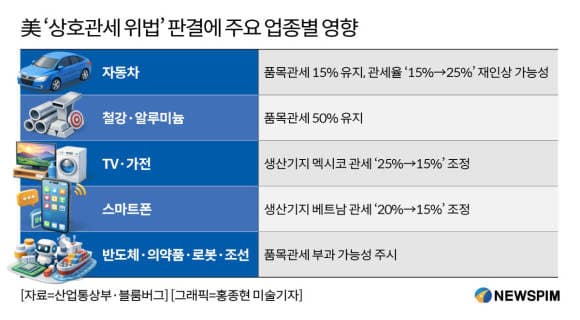
First Market Reaction to US Tariff Violations... 'Export, Consumer Stocks, Safe Asset ETFs' Purchased - NewsPim[Seoul=NewsPim] Reporter Lee Na-young= As the US Supreme Court ruled President Trump's tariff policy illegal, Korea's stock market saw concurrent strength in export stocks such as semiconductors and automobiles, as well as consumer stocks like cosmetics and food products. The expectation of changes in tariff variables was reflected, leading to buying across sectors.